Top 5 DIY Uses for Recycled Cooking Oil
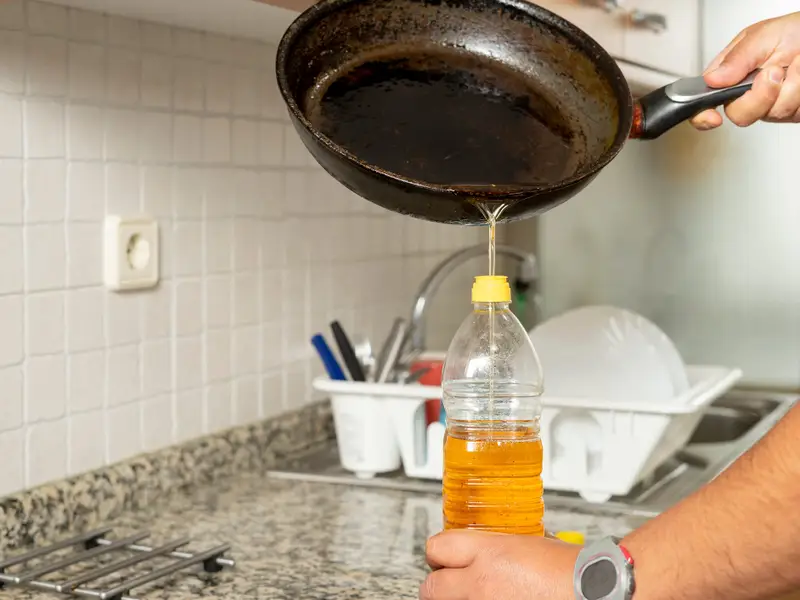
Cooking oil is a common household item, and after it has been used, many people simply throw it away. However, this waste could be put to better use. Recycling used cooking oil not only helps in reducing waste but also opens up a range of creative DIY opportunities. In this article, we will explore five excellent ways to recycle used cooking oil in eco-friendly and practical ways.
1. Making Homemade Soap
One of the most popular DIY uses for recycled cooking oil is soap-making. Used cooking oil contains fatty acids that are ideal for soap production. By combining the recycled oil with lye and other ingredients, you can create homemade soap that is both natural and useful. This process is simple and allows you to recycle oil that would otherwise be wasted.
Materials Needed:
-
Used cooking oil
-
Lye (sodium hydroxide)
-
Water
-
Essential oils (optional for fragrance)
Process:
-
Filter the used cooking oil to remove any food particles.
-
Mix the lye with water carefully (always add lye to water, never the other way around).
-
Combine the lye solution with the oil, stirring until it thickens into a soap-like consistency.
-
Pour the mixture into a mold and let it set for a few days.
Making soap from used cooking oil is not only a fun project but also a great way to recycle in a sustainable manner.
2. Create a Natural Furniture Polish
If you're looking for a non-toxic and natural way to polish your wooden furniture, look no further than recycled cooking oil. When mixed with vinegar or lemon juice, used cooking oil can be an excellent furniture polish. The oil nourishes the wood, while the vinegar or lemon juice works to clean and shine the surface.
Materials Needed:
-
Used cooking oil
-
White vinegar or lemon juice
-
A clean cloth
Process:
-
Mix two parts used cooking oil with one part vinegar or lemon juice in a bowl.
-
Stir the mixture thoroughly.
-
Apply it to your furniture using a soft cloth and rub it in a circular motion to bring out the shine.
This DIY solution is an eco-friendly alternative to commercial furniture polishes that may contain harmful chemicals.
3. Create a Bird Feeder
Recycling used cooking oil for a bird feeder is a fun and rewarding DIY project. Birds can benefit from the high-fat content in the oil, especially during cold months when food sources are scarce. By combining the oil with seeds, you can create a simple and nutritious bird feeder.
Materials Needed:
-
Used cooking oil
-
Bird seeds
-
Pinecones or toilet paper rolls
Process:
-
Coat the pinecones or toilet paper rolls with used cooking oil.
-
Roll the oiled item in bird seeds, making sure it's well-coated.
-
Hang the bird feeder in a tree or garden, and watch birds come to enjoy their treat.
This easy and creative use of recycled cooking oil supports local wildlife while keeping it out of the landfill.
4. Make a Natural Insect Repellent
Used cooking oil can also be used to create a homemade insect repellent. When combined with essential oils, recycled cooking oil becomes an effective solution to keep mosquitoes and other bugs at bay.
Materials Needed:
-
Used cooking oil
-
Essential oils (eucalyptus, citronella, or lavender)
-
A spray bottle
Process:
-
Add a few drops of essential oil to a small amount of used cooking oil.
-
Shake the mixture thoroughly and pour it into a spray bottle.
-
Spray around the areas where insects are most common, such as windowsills or doorways.
This DIY insect repellent is an effective, natural alternative to commercial products.
5. Recycling Used Cooking Oil for Biodiesel
If you're interested in a more advanced project, used cooking oil can be converted into biodiesel. Biodiesel is a renewable energy source that can be used to fuel diesel engines. While this process requires more equipment and knowledge, it is a fantastic way to recycle oil and help reduce dependence on fossil fuels.
Materials Needed:
-
Used cooking oil
-
Lye (sodium hydroxide)
-
Methanol
-
Equipment for filtering and mixing
Process:
-
Filter the used cooking oil to remove food particles.
-
Mix the oil with methanol and lye in a safe, controlled environment.
-
Allow the mixture to settle, and separate the biodiesel from the glycerin.
-
Use the biodiesel as a renewable energy source.
Converting used cooking oil into biodiesel is a great way to support sustainability efforts while repurposing the oil for practical use.
Why Recycle Used Cooking Oil?
Recycling used cooking oil offers numerous benefits. Not only does it help reduce waste and protect the environment, but it also allows you to create useful products from what would otherwise be considered garbage. For more information on how to recycle used cooking oil, visit recycling used cooking oil.
Conclusion
Recycling used cooking oil is a simple and effective way to reduce waste while contributing to a more sustainable lifestyle. Whether you're making soap, furniture polish, a bird feeder, insect repellent, or even biodiesel, there are many creative ways to give used oil a second life. By utilizing these DIY projects, you can help protect the environment while enjoying the satisfaction of creating something useful from a household waste product.


Comments
Post a Comment