Top 10 Cooking Oil Recycling Facts Everyone Should Know
As sustainability and eco-consciousness become more crucial in our daily lives, one area that's often overlooked is the disposal of used cooking oil. Whether you’re a homeowner or a restaurant owner, understanding how to handle used cooking oil can have a significant impact on the environment. Here are the top 10 cooking oil recycling facts everyone should know—some may surprise you!
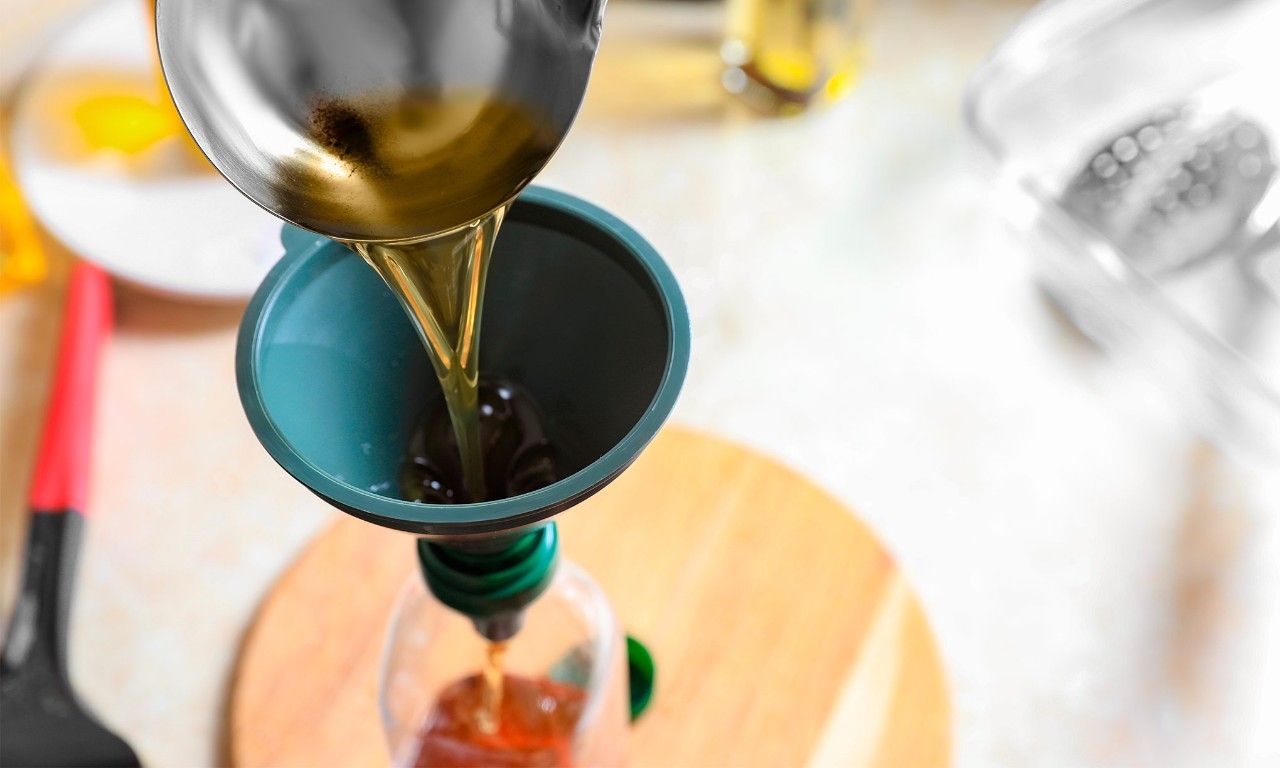
1. Used Cooking Oil is a Valuable Resource
You may think used cooking oil is simply waste, but it's actually a valuable resource. When recycled properly, it can be converted into biofuel, lubricants, animal feed, and even cosmetics. This upcycling process prevents oil from going to waste and adds value to what would otherwise be discarded.
2. Improper Disposal Harms the Environment
Pouring used oil down the drain or throwing it in the trash can clog pipes, contaminate waterways, and harm wildlife. One gallon of improperly disposed oil can pollute up to 1 million gallons of water, leading to serious ecological damage.
3. Cooking Oil Can Be Converted Into Biodiesel
Recycled cooking oil can be transformed into biodiesel, a renewable fuel that burns cleaner than petroleum-based diesel. This alternative fuel reduces greenhouse gas emissions and contributes to a greener transportation industry.
4. Restaurants Are Legally Required to Recycle
In many countries and U.S. states, food establishments are legally mandated to recycle their used cooking oil through certified waste management companies. This regulation not only promotes environmental responsibility but also helps manage large volumes of used oil safely.
5. Recycling Can Save You Money
Properly recycling cooking oil can reduce plumbing repairs, eliminate disposal fees, and even provide revenue. Some companies pay businesses for their used cooking oil, creating a financial incentive for sustainability.
6. You Can Recycle Cooking Oil at Home
Many local municipalities and recycling centers offer drop-off points for household cooking oil. You can collect the oil in a sealed container and bring it to a recycling location near you. This small effort can make a big environmental difference.
7. Used Oil Can Be Transformed into Soap
In the past, soap was made from animal fats and oils. Today, recycled cooking oil can still be used in soap-making. It’s an innovative way to reuse oil and create eco-friendly hygiene products.
8. Cooking Oil Theft is a Real Issue
With the value of recycled oil increasing, some areas have seen a rise in cooking oil theft. Thieves steal used oil from restaurant dumpsters and sell it on the black market. This highlights just how lucrative oil recycling can be.
9. Oil Recycling Reduces Landfill Waste
By keeping cooking oil out of landfills, recycling helps reduce methane emissions, which are a major contributor to climate change. It also prevents soil contamination and extends landfill life.
10. It’s Easy to Start Recycling Today
Starting your oil recycling journey is simpler than you think. Whether you're a household or a commercial kitchen, companies like Greenrisol make the process efficient and hassle-free. To learn how to Recycle Used Cooking Oil safely and responsibly, visit their step-by-step guide.
Final Thoughts
Recycling used cooking oil isn’t just good for the planet—it’s smart, responsible, and often profitable. By understanding these top 10 facts, you're better equipped to make eco-conscious decisions that benefit your home, your community, and the environment at large. Don’t let your cooking oil go to waste—start recycling today and be a part of the sustainable movement.
If you’re looking for reliable and eco-friendly ways to manage your used cooking oil, explore Greenrisol’s complete guide on how to Recycle Used Cooking Oil and contribute to a cleaner, greener future.


Comments
Post a Comment